Music of the 1950s: Women, Intimacy, and the Emotional Roots of Modern Pop
Go deeper with the related Melody Mind article and keep the story moving from audio into context.

Related Article
Go deeper with the related Melody Mind article and keep the story moving from audio into context.
Music of the 1950s: Women, Intimacy, and the Emotional Roots of Modern Pop
Loading transcript...
Could not load the transcript.
The 1950s are often remembered for Elvis, youth culture, and the rise of rock 'n' roll.
But before that sound took center stage, another change was already reshaping popular
music.
**Recorded voices felt closer. Songs became more intimate. Women helped shape how modern
listeners hear emotion in popular music.**
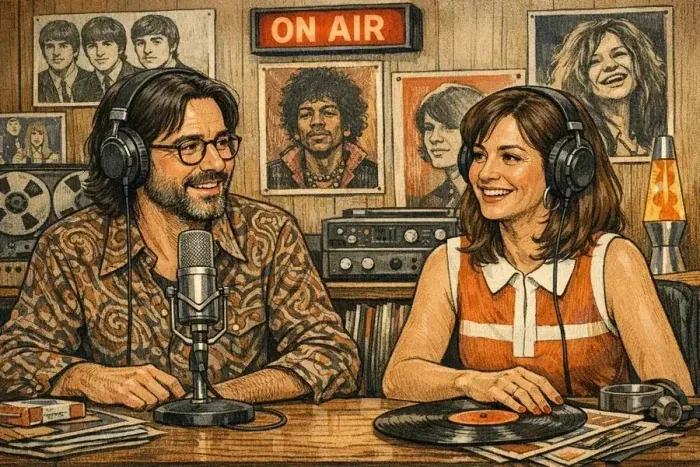
In this 82-minute deep dive, Daniel and Annabelle explore the emotional foundation of the
1950s - not the hype, but the musical choices, performance styles, and industry changes
that helped define the decade.
You'll learn:
After the disruption of war, much of the early 1950s sounded more controlled and intimate.
Radio entered everyday life more deeply, and recorded singing often felt more direct,
close, and personal.
Women were at the center of this transformation.
They navigated touring circuits, mono recording limits, radio politics, and crossover
pressure not as symbols, but as working musicians making real decisions within artistic
and commercial constraints.
Rock 'n' roll didn't appear from nowhere. The emotional intelligence that made it possible
was already taking shape in jazz, gospel, blues, and R&B - carried forward by these women,
one song at a time.
Daniel - Listens for structure, endurance, and the quiet choices that turn survival
into sound.
Annabelle - Hears soul as lived experience, emotional intelligence, and long memory
carried through the voice.
Together, they trace how women shaped the decade's emotional foundation and why that
history still matters.
Want to explore the 1950s at your own pace?
Our Knowledge Page expands this conversation with:
Take your time. The 1950s reward careful listening.
If you want the _why_ behind the music, not just the hits, subscribe to Melody Mind.
New episodes explore music history, genre evolution, and the stories behind the sound.
Subscribe and join the conversation.
#MelodyMind #1950sMusic #WomenInMusic #EllaFitzgerald #BillieHoliday #RuthBrown
#MahaliaJackson #PatsyCline #DinahWashington #RhythmAndBlues #GospelMusic #MusicHistory
#DeepListening #ClassicVoices #MusicPodcast