The Sound of the 1980s - How Image, Technology, and Global Pop Changed Music
Go deeper with the related Melody Mind article and keep the story moving from audio into context.

Related Article
Go deeper with the related Melody Mind article and keep the story moving from audio into context.
The Sound of the 1980s - How Image, Technology, and Global Pop Changed Music
Loading transcript...
Could not load the transcript.
Synthesizers. MTV. Big hair. That's what people remember.
But the deeper story is about power, technology, and visibility.
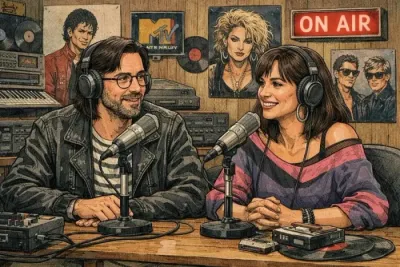
In this 80-minute conversation, Daniel and Annabelle explore how the 1980s learned to live
with contradiction: spectacle and authorship, intimacy and machinery, global fame and
private strain.
You'll learn:
The most important 80s innovations were not just synthesizers, videos, or fashion.
They included:
And that skill never left.
Daniel - Listens for structure, endurance, and the quiet choices that turn survival
into sound.
Annabelle - Hears soul as lived experience, emotional intelligence, and long memory
carried through the voice.
Together, they explore how artists negotiated visibility, authorship, and endurance in a
rapidly changing industry.
Want to understand the 1980s more fully?
Our Knowledge Page expands this conversation with:
Take your time. The 1980s reward slow attention.
Subscribe to Melody Mind for weekly deep dives into music history, genre evolution, and
the stories behind the sound.
Join us - the conversation is just beginning.
#MelodyMind #80sMusic #SynthPop #MTVEra #Prince #Madonna #MichaelJackson #KateBush
#JanetJackson #WhitneyHouston #NewWave #AlternativeRock #MusicHistory #DeepListening
#MusicPodcast