Music of the 2000s - Fragmentation, Pressure, and the New Music Economy
Go deeper with the related Melody Mind article and keep the story moving from audio into context.

Related Article
Go deeper with the related Melody Mind article and keep the story moving from audio into context.
Music of the 2000s - Fragmentation, Pressure, and the New Music Economy
Loading transcript...
Could not load the transcript.
The 2000s did not arrive with one clear sound or one clear direction.
What changed first was the system around the music.
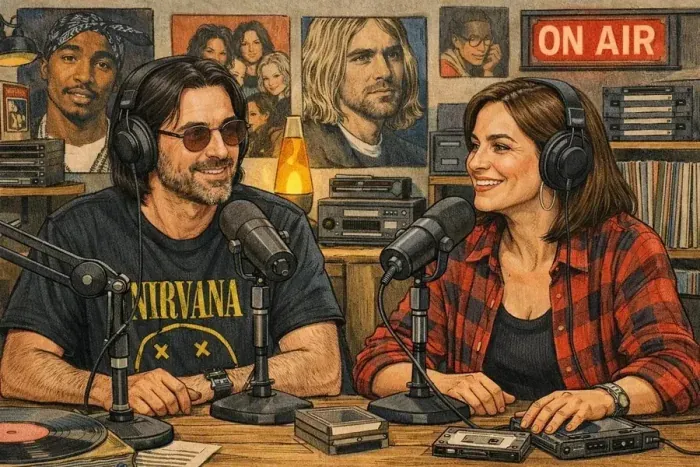
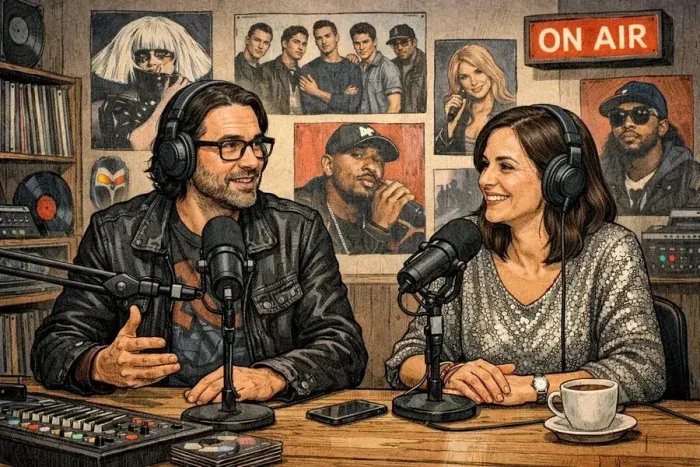
In this 68-minute conversation, Daniel and Annabelle explore a decade shaped by digital
disruption, media pressure, fragmented listening, and new forms of visibility.
You'll learn:
The 2000s did not have one dominant sound.
They normalized hybridity. They weakened older gatekeepers without replacing them with a
stable alternative. They changed how music fit into daily life, how artists were exposed
to the public, and how listeners moved between songs, scenes, and identities.
They made fragmentation feel normal.
This is not a simple timeline. It is a slow conversation about the pressures, inventions,
and compromises that reshaped music in the digital age.
Daniel - Listens for structure, endurance, and the quiet choices that turn survival
into sound.
Annabelle - Hears soul as lived experience, emotional intelligence, and long memory
carried through the voice.
Together, they explore how the 2000s changed music from the inside out.
Want to follow the threads more slowly?
Our Knowledge Page expands this conversation with:
The Knowledge Page is designed for slow reading, just like this podcast is designed for
slow listening.
Subscribe to Melody Mind for weekly deep dives into music history, genre evolution, and
the hidden stories behind the sound.
Follow for more slow listening.
#MelodyMind #2000sMusic #HipHopCulture #RBMusic #Beyonce #JayZ #AliciaKeys #KanyeWest
#BritneySpears #Shakira #AmyWinehouse #AlternativeRock #GlobalPop #MusicHistory
#DeepListening #MusicPodcast