How Did Folk Become Bedroom Pop?
Before playlists and home studios, songs moved through memory, labor, ritual, and
collective singing. Much later, they would move through vinyl, cassettes, laptops, and
phones.
The voice kept getting closer.
In this 77-minute episode, Daniel and Annabelle follow that long shift from shared folk
tradition to personal authorship, indie fragility, and the intimate digital worlds of
bedroom pop.
What You'll Discover
You'll learn:
- How folk moved from communal memory to individual authorship
- Why intimacy changed with recording technology, venues, and distribution
- How singer-songwriters turned the album into a confessional space
- Why indie folk and bedroom pop made closeness feel modern again
- Folk as Living Memory - ballads, spirituals, field recordings, and the politics of
- Revival and Authorship - Woody Guthrie, Joan Baez, Bob Dylan, Buffy Sainte-Marie,
- British and Singer-Songwriter Turns - Sandy Denny, Nick Drake, Joni Mitchell, Carole
- Americana, Indie Folk, and Anti-Folk - Emmylou Harris, Gillian Welch, Elliott Smith,
- Digital Intimacy - home recording, MySpace, Bandcamp, playlists, and the rise of
- The New Personal Voice - Clairo, girl in red, beabadoobee, Billie Eilish, mxmtoon,
The Real Story
The voice did not simply become quieter. **It became more individualized, more portable,
and more exposed.**
This is not just a story about style. It is a story about where songs live, who gets heard
inside changing systems, and how intimacy moved from community singing to direct address,
then into algorithmic circulation.
What stays constant is the human need for a voice that feels close.
Your Hosts
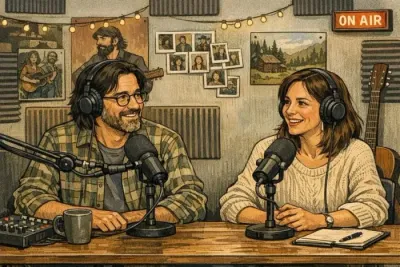
Daniel - Listens for structure, endurance, and the quiet choices that turn survival
into sound.
Annabelle - Hears soul as lived experience, emotional intelligence, and long memory
carried through the voice.
Together, they explore how technology and authorship reshaped what it means to use your
voice.
Go Deeper
Want the full longform version?
Our Knowledge Page expands this conversation with:
- The move from oral tradition and field recording to revival politics
- The coffeehouse economy, British folk, and the singer-songwriter era
- Americana, anti-folk, indie folk, and the aesthetics of restraint
- Home recording, Bandcamp, playlists, and bedroom pop infrastructure
- Class, access, parasocial intimacy, and the cost of sounding authentic
Take your time. This story opens up when you follow the voice across changing rooms,
technologies, and expectations.
Love Deep Music Conversations?
Subscribe to Melody Mind for weekly deep dives into music history, genre evolution, and
the stories behind the sound.
Join the conversation.
Hashtags
#MelodyMind #FolkToBedroomPop #SingerSongwriter #FolkMusic #BedroomPop #BobDylan
#JoniMitchell #BillieEilish #IndieFolk #Songwriting #MusicHistory #DeepListening
#MusicPodcast #IntimacyInMusic