Hip Hop Didn't Start as a Genre, It Started as a Social Practice
DJ Kool Herc. Breakbeats. The Bronx. Most people know the outline.
This episode stays with the decisions inside that story.
In this 86-minute conversation, Daniel and Annabelle follow hip hop from block parties and
park jams to mixtapes, trap, drill, and platform-era visibility. The point is not just
chronology. It is to hear how music changes under pressure: social pressure, technical
pressure, regional pressure, and commercial pressure.
What You'll Discover
You'll learn:
- How DJs turned records into a new public form
- Why producers became as important as rappers
- How mixtapes, radio, and regional scenes changed circulation
- Why trap, melodic rap, and drill redefined the sound of the 2000s and 2010s
- Bronx Origins - Kool Herc, Grandmaster Flash, and Afrika Bambaataa building culture
- Early Records and Old School Rap - Sugar Hill, Run-D.M.C., and the shift from live
- Women in the Form - Sha-Rock, Roxanne Shanté, Salt-N-Pepa, Lauryn Hill, Nicki,
- Producer Eras - Marley Marl, DJ Premier, Dr. Dre, The Neptunes, Kanye West, Missy
- Regional Power - New York, Los Angeles, Atlanta, Houston, Memphis, London,
- Trap, Melody, and Drill - T.I., Jeezy, Gucci Mane, Future, Migos, Chief Keef, Pop
- Power and Control - mixtapes, radio, censorship, contracts, streaming, and the fight
The Real Story
This episode moves chronologically, but it does not treat hip hop like a museum piece.
It listens to hip hop as infrastructure, argument, and survival.
Daniel and Annabelle focus on working musicians dealing with contracts, pressure,
location, risk, technology, and cultural responsibility.
This is not a ranking.
It's a long-form listening map.
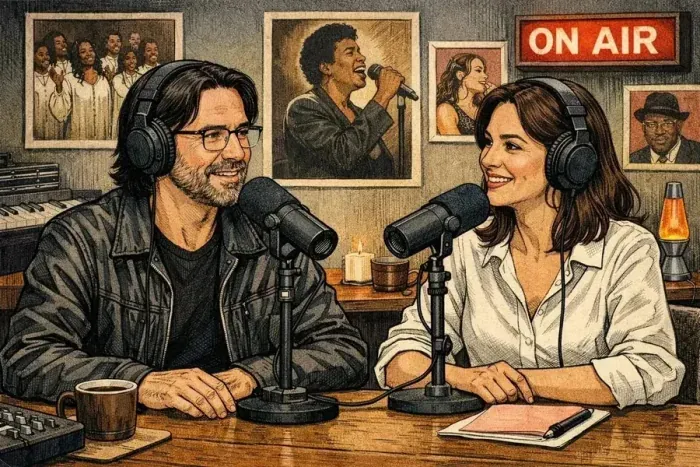
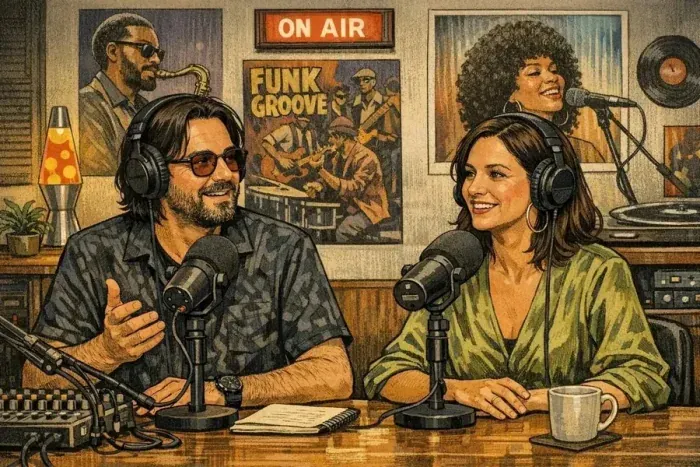
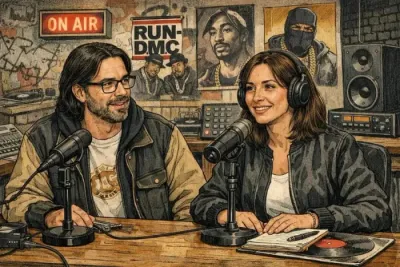
Your Hosts
Daniel - Listens for structure, endurance, and the quiet choices that turn survival
into sound.
Annabelle - Hears soul as lived experience, emotional intelligence, and long memory
carried through the voice.
Together, they trace how hip hop kept changing without losing its core method: rhythm,
voice, and the reshaping of what was already there.
Go Deeper
Want the full picture?
Our Knowledge Page expands this journey with:
- expanded historical context
- deeper producer and mixtape history
- fuller sections on hooks, melodic rap, trap, drill, and global scenes
- the longer story of censorship, policing, streaming, and ownership
It's designed as a deeper listening companion, not a summary but an extension of the
conversation.
Love Deep Music Conversations?
Subscribe to Melody Mind for weekly deep dives into music history, genre evolution, and
the structures behind the sound.
Join the conversation.
Hashtags
#MelodyMind #HipHopHistory #HipHopEvolution #OldSchoolHipHop #GoldenAgeHipHop #TrapMusic
#DrillMusic #Sampling #808Culture #MixtapeEra #GlobalHipHop #RapCulture #MusicHistory
#DeepListening #MusicPodcast